
Copper Nickel (CuNi) rod bars, specifically with DIN 17664 specifications, are high-performance alloys typically composed of 70% copper and 30% nickel. This composition may include trace amounts of iron and manganese to enhance mechanical strength and corrosion resistance. CuNi rod bars are engineered for heat transfer applications where durability, corrosion resistance, and efficient thermal conductivity are essential. The high copper content ensures excellent heat and electrical conductivity, while nickel improves resistance to seawater corrosion, oxidation, and biofouling, making it a preferred choice for marine, industrial, and power generation environments.
Applications
Condenser and heat exchanger tubing
Marine piping systems and seawater circulation lines
Industrial cooling equipment and power plant heat transfer systems
Offshore platform structural components exposed to saline water
Instrumentation and control rods in thermal systems
Industry Trend
With the rapid growth of desalination plants, offshore platforms, and industrial power systems, demand for alloys that withstand high-pressure seawater environments continues to rise. CuNi rod bars are increasingly favored because of their combination of mechanical strength, thermal efficiency, and long-term corrosion resistance. Industry engineers seek materials that minimize maintenance, reduce operational downtime, and maintain thermal performance under harsh conditions. CuNi also aligns with trends toward sustainable and recyclable materials, making it an environmentally friendly solution for long-life heat transfer equipment.
Properties Material | Resistivity 200c μΩ.m | Max working temperature (℃) | Tensile strength (Mpa) | Melting point (℃) | Density (g/cm3) | TCR *10-6/℃ (20-600℃) | EMF vs Cu (μV/℃) (0-100℃) |
CuNi1 | 0.03 | 200 | 210 | 1085 | 8.9 | <100 | -8 |
CuNi2 | 0.05 | 200 | 220 | 1090 | 8.9 | <120 | -12 |
CuNi6 | 0.1 | 220 | 250 | 1095 | 8.9 | <60 | -18 |
CuNi8 | 0.12 | 250 | 270 | 1097 | 8.9 | <57 | -22 |
CuNi10 | 0.15 | 250 | 290 | 1100 | 8.9 | <50 | -25 |
CuNi14 | 0.2 | 300 | 310 | 1115 | 8.9 | <30 | -28 |
CuNi19 | 0.25 | 300 | 340 | 1135 | 8.9 | <25 | -32 |
CuNi23 | 0.3 | 300 | 350 | 1150 | 8.9 | <16 | -34 |
CuNi30 | 0.35 | 350 | 400 | 1170 | 8.9 | <10 | -37 |
CuNi34 | 0.4 | 350 | 400 | 1180 | 8.9 | 0 | -39 |
CuNi44 | 0.5 | 400 | 420 | 1200 | 8.9 | <-6 | -43 |
DZX produces premium CuNi 70/30 rod bars engineered for heat transfer equipment that demands superior performance under harsh conditions. Our rods are trusted in marine, industrial, and power generation applications where corrosion resistance, thermal efficiency, and mechanical reliability are critical.
Comparison Table
| Property | CuNi 90/10 | CuNi 70/30 | Pure Copper |
|---|
| Composition (Cu/Ni) | 90/10 | 70/30 | 100/0 |
| Density (g/cm³) | 8.9 | 8.9 | 8.96 |
| Tensile Strength (MPa) | 340–380 | 450–500 | 210–250 |
| Yield Strength (MPa) | 105–130 | 150–200 | 70–100 |
| Elongation (%) | 30 | 25 | 40 |
| Thermal Conductivity (W/m·K) | 50 | 30 | 385 |
| Corrosion Resistance | Excellent | Superior | Poor in seawater |
| Applications | Marine piping, heat exchangers | Condensers, offshore equipment | General wiring, electronics |
Applications and Performance
In desalination plants and offshore platforms, DZX CuNi rod bars are used extensively in condensers, heat exchangers, and seawater piping systems. The alloy resists biofouling and corrosion, ensuring consistent heat transfer efficiency and reduced maintenance requirements. Its strength and ductility allow precise machining and assembly, making it ideal for custom thermal system designs in industrial and marine applications.
Industrial water cooling systems also benefit from CuNi 70/30 rod bars due to their ability to withstand high pressures and fluctuating temperatures, providing reliable performance for years. This reduces operational downtime and long-term costs, making the alloy a cost-effective solution for critical infrastructure.
Industry Trends
The global focus on sustainable, long-life materials drives the adoption of CuNi 70/30 in heat transfer equipment. As industries like desalination, offshore energy, and power generation grow, the demand for durable, corrosion-resistant alloys continues to increase. CuNi 70/30 addresses these challenges, offering high mechanical strength, long-term reliability, and environmental sustainability.
DZX Advantage
DZX’s production process ensures precision, consistency, and quality across every rod bar. From alloy melting to extrusion, finishing, and strict quality testing, each rod meets DIN 17664, ASTM, and ISO standards. Our process guarantees uniformity in chemical composition, mechanical properties, and corrosion resistance.
We offer customized rod sizes, diameters, and surface finishes tailored to the needs of heat transfer equipment designers. Our technical team collaborates with clients to provide guidance on installation, thermal performance, and long-term system reliability.
Sustainability and Reliability
CuNi 70/30 rod bars from DZX are fully recyclable and designed for extended service life, reducing maintenance cycles and environmental impact. Their corrosion resistance, mechanical durability, and thermal efficiency ensure stable performance in demanding marine and industrial conditions.
Choosing DZX CuNi 70/30 rod bars means selecting reliable, high-performance alloys that withstand harsh environments while maintaining optimal heat transfer efficiency. With precision manufacturing, rigorous testing, and expert support, DZX remains a leading supplier of CuNi alloys for critical applications worldwide.


About Us:
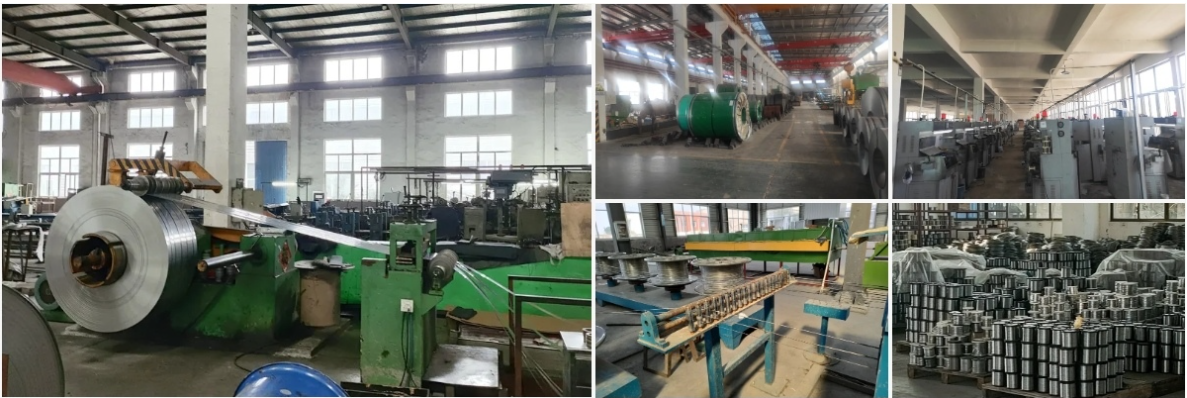
Our 12,000㎡ factory is equipped with complete capabilities for research, production, testing, and packaging. We strictly adhere to ISO 9001 standards in our production processes, with an annual output of 1,200 tons. This ensures that we meet both quantity and quality demands. Furthermore, all products undergo rigorous simulated environment testing including high temperature, high pressure, and corrosion tests before being dispatched, ensuring they meet customer specifications. For all our clients, we offer timely and multilingual after-sales support and technical consulting, helping you resolve any issues swiftly and efficiently.
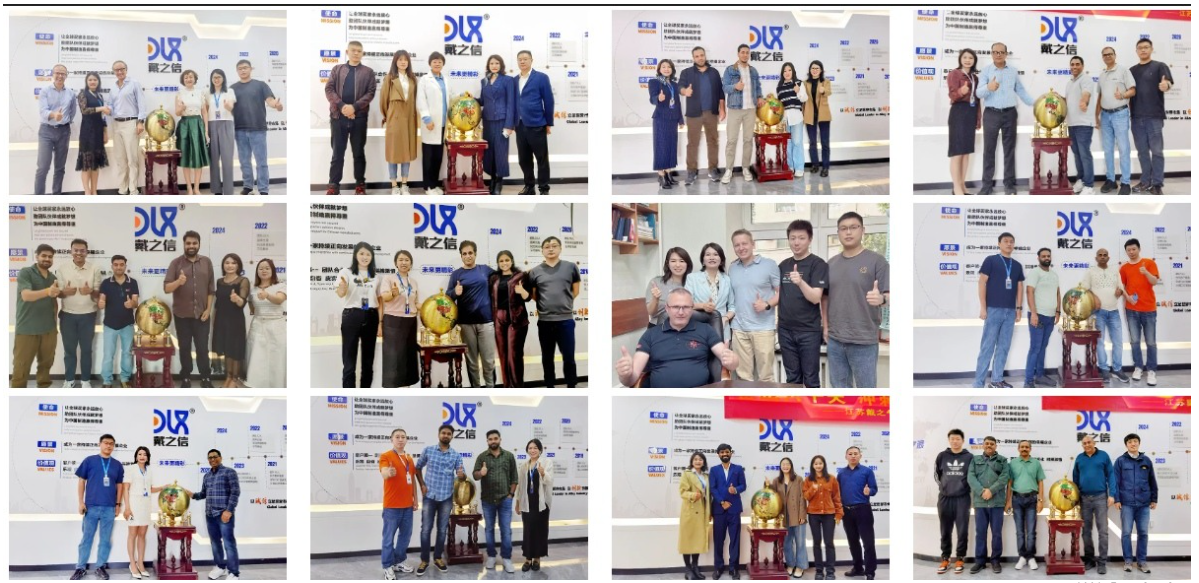
Client Visits
Building Stronger Partnerships
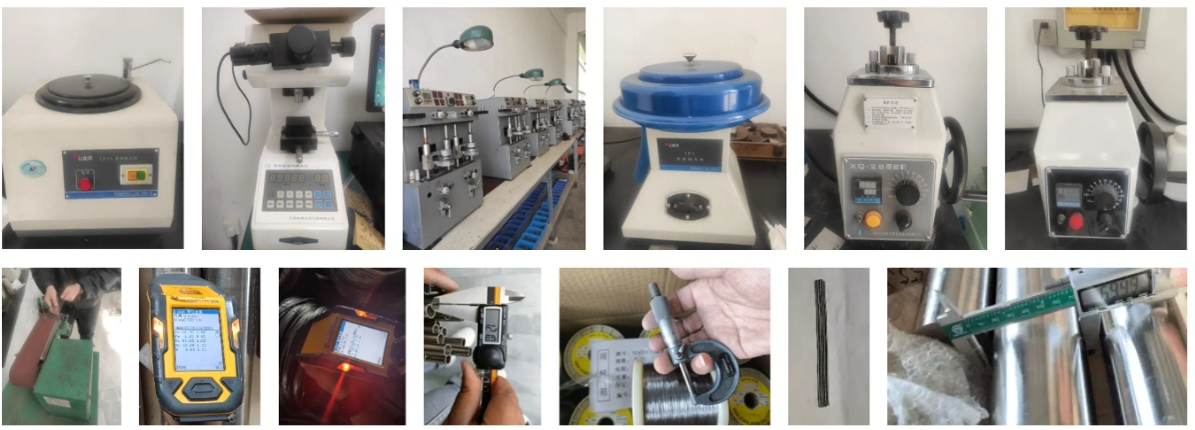
We support all kinds of testing:

Q1: What is the chemical composition of DIN 17664 CuNi rod bars?
A1: These rod bars typically contain 70% copper, 30% nickel, with minor iron and manganese to enhance corrosion resistance and mechanical properties.
Q2: Why is CuNi 70/30 preferred for heat transfer equipment?
A2: The alloy combines thermal conductivity with excellent seawater corrosion resistance, ensuring long-term performance in condensers, exchangers, and piping systems.
Q3: Are CuNi rod bars easy to fabricate?
A3: Yes, they can be cut, machined, and welded while retaining structural integrity and corrosion resistance.
Q4: How does CuNi 70/30 compare to CuNi 90/10?
A4: CuNi 70/30 offers higher corrosion resistance and strength in aggressive seawater environments, while CuNi 90/10 has slightly higher thermal conductivity and ductility.
Q5: What standards does CuNi DIN 17664 rod bar meet?
A5: The alloy meets DIN 17664 specifications and can also comply with ASTM and ISO standards for marine and industrial applications.
Q6: Can these rod bars handle high-pressure systems?
A6: Yes, CuNi 70/30 rod bars are suitable for pressurized marine piping, heat exchangers, and industrial cooling equipment.
Q7: Are CuNi rod bars environmentally friendly?
A7: Yes, they are fully recyclable and provide long service life, reducing the need for frequent replacements and minimizing environmental impact.
Q8: Which industries benefit most from CuNi rod bars?
A8: Marine engineering, offshore energy, desalination plants, industrial cooling systems, and power generation industries benefit most.


